
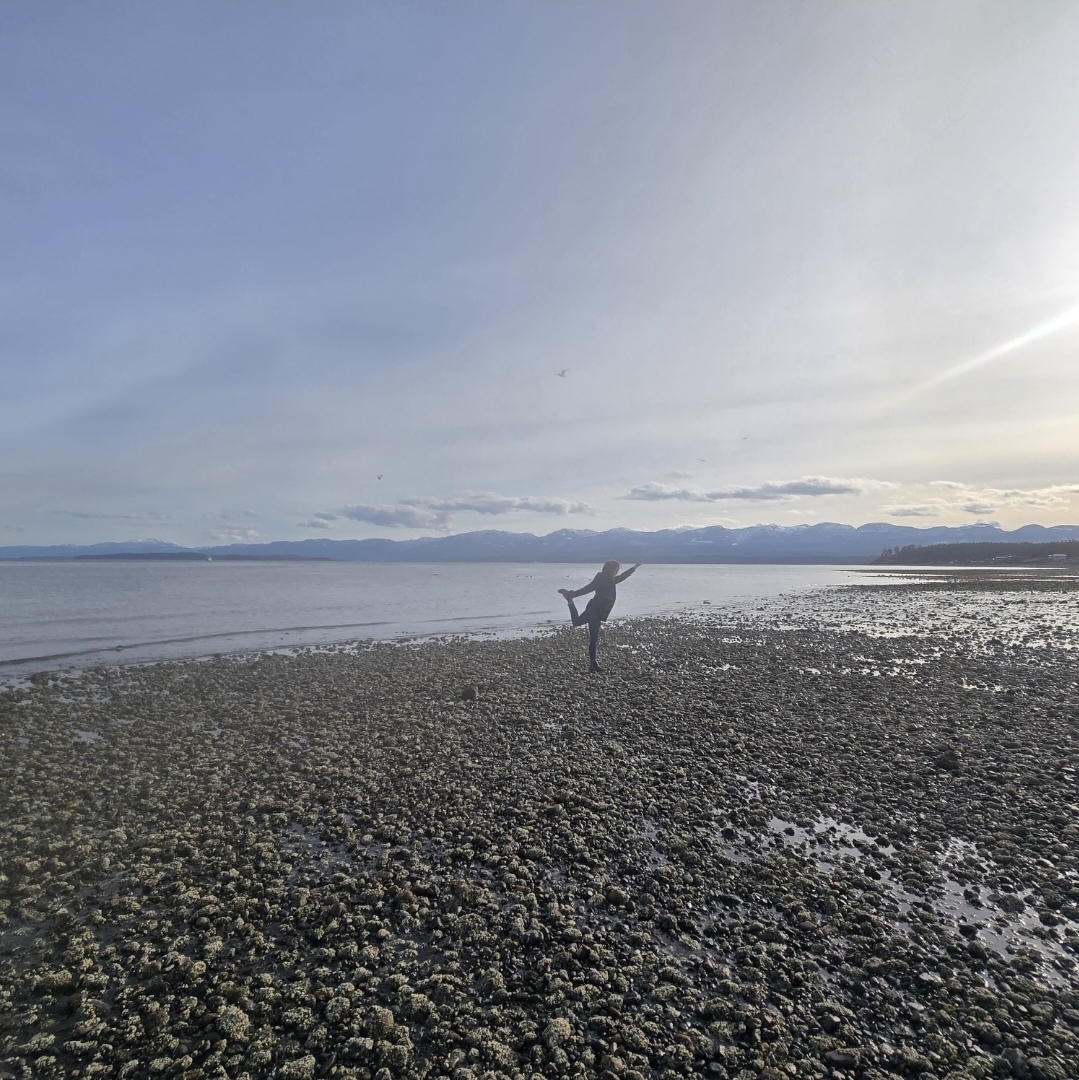
Body, mind and the nervous system
Coldplunges in the ocean: what Vancouver Island water does to you
Scroll to explore
The Salish Sea sits between 7 and 15 degrees most of the year. Cold enough to change your breathing in seconds, and cold enough to hurt you if you get casual about it.
The short answer
In short
Ocean water around the Comox Valley runs roughly 7 to 9 degrees Celsius in winter and 13 to 16 degrees in late summer, which is well inside the range that triggers the cold shock response. A short dip of one to five minutes produces a surge of noradrenaline, faster breathing, then a lasting lift in alertness and reported mood. The main risks are the involuntary gasp in the first 30 seconds, loss of hand and arm function after a few minutes, and afterdrop once you are out. Enter slowly from a shore you can stand on, never alone, never after drinking, and get warm on your own before anyone offers you a hot shower.
- Comox Valley sea temperature
- About 7 to 9C in winter, 13 to 16C in late summer
- Cold shock threshold
- Below roughly 15C
- Most dangerous window
- The first 30 to 60 seconds
- Sensible first dip
- Waist to shoulder depth, 30 to 60 seconds
- Never do it
- Alone, after drinking, or by jumping in
- Not a treatment for
- Depression, withdrawal, or substance use disorder
Published 2026-08-29 · All resources
How cold the water actually is here
Numbers matter more than adjectives. Sea surface temperature in the northern Strait of Georgia, the stretch of water off Comox, Royston and Union Bay, sits around 7 to 9 degrees Celsius through January and February. It climbs through spring, peaks in the shallow bays in August at somewhere between 13 and 16 degrees, then falls away again from October. Fisheries and Oceans Canada publishes station data if you want the real reading for a given week rather than a guess.
For context, cold shock responses begin below about 15 degrees, and the sharpest physiological reactions happen between 10 and 15. That means ocean swimming on this coast is a genuine cold water activity in every month of the year, including the warm ones. Nobody here is doing a mild summer dip.
Freshwater alternatives nearby are often colder still. Comox Lake and the rivers running off the Beaufort Range carry snowmelt well into summer, and river current adds a hazard the ocean shallows do not.
What happens in your body in the first minute
The moment cold water hits a large area of skin, receptors fire and you get the cold shock response: an involuntary gasp, a jump in breathing rate, a rise in heart rate and blood pressure, and blood vessels in the skin clamping shut. This is the part that drowns people. The gasp happens whether you are ready or not, and if your face is underwater when it fires, you inhale water.
Adrenaline and noradrenaline rise sharply. Research on cold water immersion has recorded noradrenaline increases of several hundred percent, which is the source of the alertness and the elevated mood people describe afterward. Breathing settles in 30 to 90 seconds if you stay still and let it, which is why the practised advice is to get in slowly and do nothing but breathe until the panic stage passes.
After a few minutes, nerve conduction in the limbs slows and grip strength falls. This is not fatigue and willpower does not fix it. Swim failure from cold incapacitation typically arrives between five and twenty minutes depending on the temperature, well before hypothermia becomes the issue.
Afterdrop, the part people ignore
Your core temperature keeps falling after you leave the water, sometimes for 20 to 40 minutes, as cold blood from the limbs returns to the middle of the body. This is afterdrop, and it explains why people feel worse on the walk back to the car than they did in the sea.
The management is unglamorous. Dry off immediately, get layers on including a hat, drink something warm, and move gently to generate your own heat. Skip the hot shower and the hot tub for at least half an hour, because sudden heat opens up peripheral vessels and can drop blood pressure while your core is still cooling.
- Have your clothes laid out before you get in, not in a bag you have to open with numb hands.
- Change out of a wet swimsuit fully. Wet fabric keeps pulling heat.
- Warm drink, warm hat, keep walking for ten minutes.
- If shivering is violent, speech is slurred, or coordination is off, that is beyond a normal cold response and needs help.
What the evidence supports, and what it does not
The reliable finding is short term. Cold water immersion produces a measurable rise in circulating catecholamines and a consistent self-reported improvement in alertness, mood and feeling of vitality for a few hours afterward. Habitual winter swimmers also show adaptation of the cold shock response, meaning the gasp and the panic diminish with repeated exposure.
There is early and much weaker evidence for effects on inflammatory markers, insulin sensitivity and mood in the longer term. Sample sizes are small, cold water swimmers are a self-selecting group, and almost none of the studies can separate the water from the exercise, the daylight and the social routine that comes with it.
So the honest position is that ocean dipping is a reliable way to feel sharply awake and mildly elevated, with real adaptation over time, and it is not a treatment for depression, anxiety, withdrawal or substance use disorder. Anyone selling it as one is overstating what exists.
Who should not do this
The contraindications are not cautious boilerplate. Cold shock puts a sudden load on the heart, and this is one of the few wellness practices with a genuine sudden death mechanism.
- Any known heart condition, arrhythmia, uncontrolled high blood pressure, or family history of sudden cardiac events. Speak with a physician first.
- Anyone in acute alcohol or drug withdrawal, where the cardiovascular system is already under strain and judgement is not reliable.
- Anyone who has been drinking or using. Alcohol impairs the cold response, hides the warning signs and is present in a large share of cold water drownings.
- Pregnancy, Raynaud's, cold urticaria, epilepsy, asthma triggered by cold air, or a seizure history.
- Anyone alone. On this coast that also means anyone without eyes on the water and a safe exit at the tide state you are swimming in.
A first ocean dip, done sensibly
The Comox Valley shoreline gives you long shallow gravel and sand entries at places like Goose Spit and Kye Bay, which is exactly what a beginner wants: firm footing, no jumping, and the ability to stop at any depth.
- Go with at least one other person, in daylight, at a beach you have walked at low tide so you know the bottom.
- Walk in to knee depth and stop. Then waist. Then, only if breathing has settled, shoulders.
- Keep your face out of the water for the first minute and keep your hands out if that helps. Neoprene booties and gloves are not cheating.
- Thirty to sixty seconds is a complete first session. Time it, do not judge it by feel, because cold distorts your sense of duration.
- Come out on your own decision, before you want to. Build up by seconds across weeks, not minutes in one session.
- Skip it entirely on days you feel unwell, underslept or emotionally raw. Cold water is a poor place to be overwhelmed.
How cold water is used at Halo Ridge
There is a cold plunge on the property, and the ocean is a short drive down the hill. Both are optional, both are supervised, and neither is presented as therapy.
What we find useful about it is the practice underneath it. You feel a strong physical alarm, you keep breathing, and it passes without you doing anything about it. That is the same shape as riding out a craving or a wave of grief, in a setting where the discomfort is short and voluntary and you can see the end of it. Residents who take to it often describe the confidence more than the cold.
It also builds a morning that has structure in it, outside, with other people, which is worth as much as anything the water does.
Common questions
Questions people ask about this
- How cold is the ocean around Courtenay and Comox?
- Roughly 7 to 9 degrees Celsius in the depths of winter and 13 to 16 degrees in the shallow bays in late summer. Every month of the year is below the 15 degree threshold where cold shock responses begin.
- Does cold water help with depression or cravings?
- It reliably lifts alertness and reported mood for a few hours and it can make a hard morning feel manageable. There is no good evidence that it treats depression, anxiety or substance use disorder, and it should never replace professional support.
- What gear do you actually need?
- A swimsuit, a towel, warm dry layers including a hat, and shoes you can walk gravel in. Neoprene booties and gloves make single digit water far more tolerable and are worth buying before a wetsuit.
- How long should you stay in cold ocean water?
- Thirty to sixty seconds is a full session for a beginner. Experienced dippers in single digit water often stay two to five minutes. Hand and arm function starts to fail after a few minutes, so come out on a timer rather than on feel.
- Why do I feel colder after getting out than while I was in?
- That is afterdrop. Cold blood from your arms and legs returns to the core once you stop being immersed, so your core temperature keeps falling for up to 40 minutes. Dry off, add layers and a hat, walk, and leave the hot shower for later.
- Is an ocean plunge better than a cold plunge tub?
- They produce a similar cold shock and similar alertness. The ocean adds daylight, walking, salt water and company, and it also adds tides, current, unseen bottom and no way to step straight out. A tub is the safer place to learn the breathing.
- Who should avoid cold water immersion?
- Anyone with a heart condition, arrhythmia, uncontrolled blood pressure, epilepsy, cold urticaria or Raynaud's, anyone pregnant, anyone in acute withdrawal, and anyone who has been drinking or using. Check with a physician if you are unsure.
Where to read more
- Fisheries and Oceans Canada, British Columbia sea surface temperature data
- Tipton et al., Cold water immersion: kill or cure?, Experimental Physiology, 2017
- Srámek et al., Human physiological responses to immersion into water of different temperatures
- Lifesaving Society, cold water safety
- HealthLinkBC, hypothermia and cold exposure
Next steps
Where to go from here
- What a cold plunge does and does not do
- The property and the setting
- Talk to admissions
- What a sound bath actually is, and what happens in your body
A sound bath is a lie-down session of sustained tones from bowls and gongs. Here is what a session involves, what the research shows, and who finds it hard.
- Frequency healing and solfeggio frequencies: what the evidence says
Solfeggio frequencies, 432 Hz and vibroacoustic therapy explained honestly: where the claims came from, what studies exist, and where the claims outrun the data.
- Eating for repair: nutrition in the first year after alcohol or drug use
Appetite, blood sugar, protein and hydration in the first year of recovery, with a realistic week of meals and the reasons food changes how early sobriety feels.
Halo Ridge Recovery is a private live-in recovery program. We are not a hospital, medical facility, or licensed treatment centre. We do not provide medical care, detox or withdrawal management, prescribing, or diagnosis. Where those services are needed, we can help connect you with a third-party provider so support starts sooner rather than later.
If it is time to talk it through
Every enquiry is confidential. Speak with our admissions team about fit, timing, and what a stay at Halo Ridge would look like.