
Rehab in British Columbia
Whatto expect in the first week at a private live-in program in BC
Scroll to explore
Most of the fear is about the unknown. The unknown is mostly a timetable, meals, and other people.
The short answer
In short
The first week at a private live-in recovery program usually begins with an arrival conversation and settling in, then moves into a predictable daily timetable of meals, one-to-one sessions, group work, movement, and rest. Expect tiredness, disrupted sleep, and mood swinging between relief and doubt. Most people report the structure itself becoming the steadying element by around day four or five.
- Day one
- Arrival conversation, settling in, meeting the team
- Rhythm
- Meals, sessions, group work, movement, and rest at set times
- Common feeling
- Relief and doubt, often on the same day
- What to bring
- Confirmed with admissions before arrival
Published 2026-08-28 · All resources
Before you arrive
There is an admissions conversation first. It covers history, current substance use, medical needs, medications, and what has been tried before, and it exists to decide fit honestly in both directions.
If withdrawal management or medical supervision is needed, that comes first and elsewhere. Halo Ridge Recovery is not a hospital, medical facility, or licensed treatment centre. We do not provide detox, prescribing, or diagnosis, and we can help connect you with a third-party provider where those are needed.
Day one
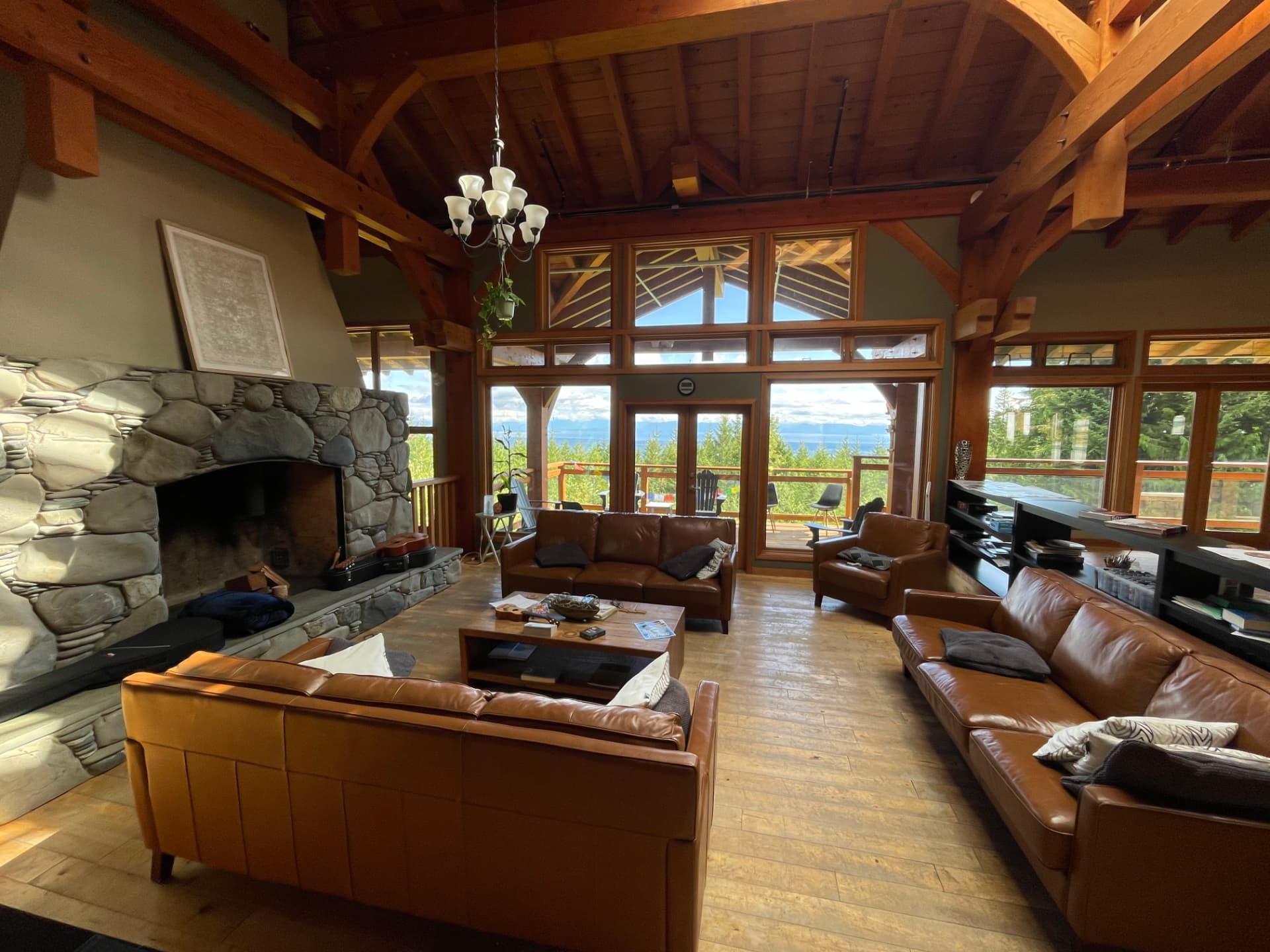
Arrival, an unhurried settling-in conversation, a look around the house, and meeting the people who will be around you. Phone and device arrangements are explained and agreed at this point rather than sprung on anyone.
Most people are exhausted on day one. Sleeping heavily that first night is common and not a problem.
Days two to four
The timetable takes over. Meals at set times, one-to-one sessions, group work, movement, outdoor time, and quieter periods in the evening.
This is often where the physical crash lands. Fatigue, headaches, irritability, and broken sleep are common. It is also where the mood swings hardest, with relief at having arrived and doubt about whether this is the right thing, sometimes within the same afternoon.
Days five to seven
Sleep usually starts to lengthen, appetite returns, and the timetable stops feeling imposed and starts feeling load-bearing.
This is generally when a plan for the rest of the stay is properly shaped, once there is enough information about how the person actually responds rather than how they described themselves on the phone.
Common worries, answered plainly
The questions people are usually too polite to ask on the first call.
- Will I have to talk in group? You will be invited, not compelled.
- Can I contact my family? Contact arrangements are agreed with you, and family involvement is usually encouraged.
- What about my job? Many people arrange leave. Admissions can talk through the timing.
- What if I want to leave? You are an adult and free to leave. We will ask for a conversation first.
- Is the food any different? We have a Red Seal certified chef on site, and eating properly is part of the work rather than an extra.
Common questions
Questions people ask about this
- What happens on the first day of a live-in program?
- An arrival conversation, settling into your room, a look around the house, meeting the team and other residents, and agreeing phone and device arrangements. Most people are tired and sleep heavily that night.
- Do you have to detox before arriving?
- If withdrawal management is medically needed, yes, and it happens elsewhere with licensed medical services. We do not provide detox or withdrawal management.
- Can you keep your phone?
- Device arrangements are agreed at admission and are designed to protect the group's privacy and your own focus. It is discussed openly beforehand rather than imposed on arrival.
- Can family visit or be involved?
- Family involvement is usually part of the work, with arrangements agreed individually. Admissions will explain how contact and visits are handled.
- Is the first week the hardest?
- Physically it is often the roughest stretch. Emotionally, many people find weeks four to six harder, once the initial relief has passed and the ordinary work continues.
- What should you bring?
- Admissions provides a specific list before arrival, covering clothing, medications and documentation, and what to leave at home.
Next steps
Where to go from here
- The admissions process
- See the house and setting
- Is rehab free in BC? What is publicly funded and what is not
Some substance use services in British Columbia are free, others are not. Here is what MSP and Island Health cover, what you pay for, and where waits appear.
- Public versus private treatment in BC, an honest comparison
A straight comparison of publicly funded and private addiction treatment in British Columbia: cost, waits, structure, privacy, and who each option suits.
- How to help someone in BC who is not ready for rehab
What families in British Columbia can do when someone will not go to treatment: reduce risk, keep the relationship, set boundaries, and prepare for the window.
Halo Ridge Recovery is a private live-in recovery program. We are not a hospital, medical facility, or licensed treatment centre. We do not provide medical care, detox or withdrawal management, prescribing, or diagnosis. Where those services are needed, we can help connect you with a third-party provider so support starts sooner rather than later.
If it is time to talk it through
Every enquiry is confidential. Speak with our admissions team about fit, timing, and what a stay at Halo Ridge would look like.